

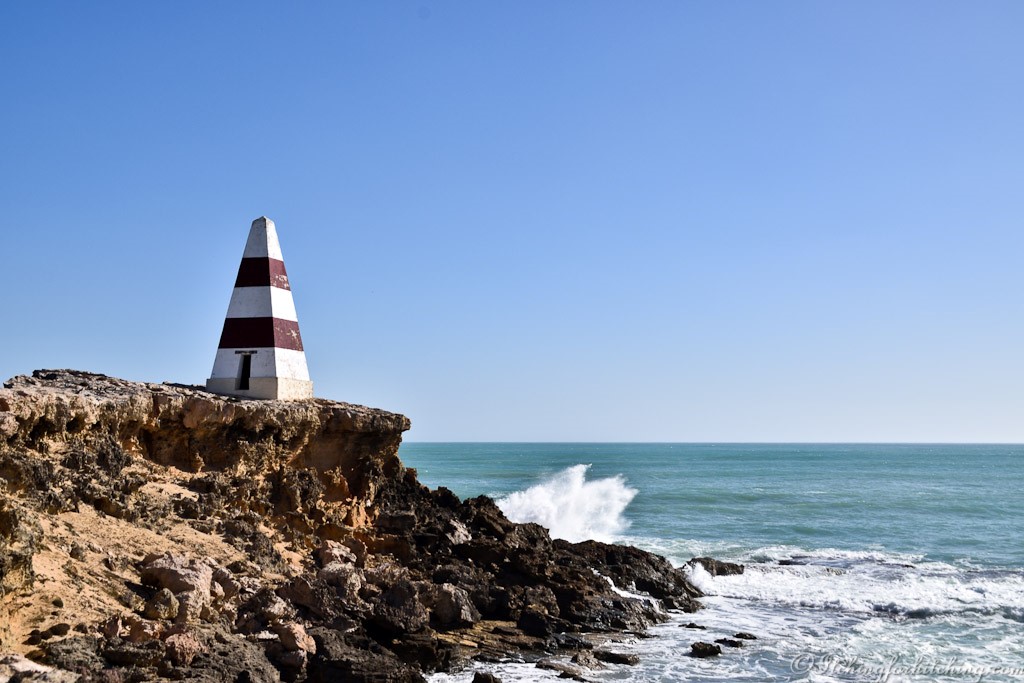
Robe, South Australia – Oh, what an interesting place you are
You know how there are some places that you just can’t get enough of? I’m not talking about London or Rome, because those places would take ten lifetimes to explore. But country towns with interesting, well…, interesting everything.
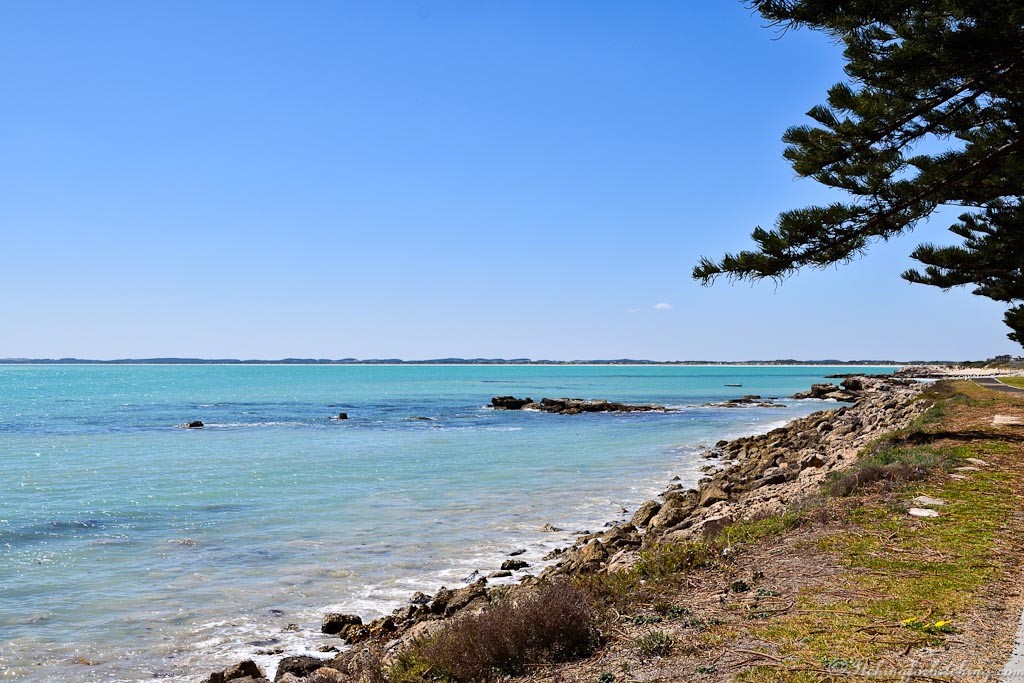
The Limestone Coast town of Robe on Guichen Bay, is one of those places. Nearby, Encounter Bay is so named as it was here that Navigator Matthew Flinders met with his French counterpart Nicolas Baudin in 1802 when both were mapping the coastline. Wouldn’t you love to know what was on the menu at that dinner? And does one carry a few nice bottles of Bordeaux on the off chance of meeting a neighbour?
Robe was a busy port in the nineteenth century and most probably because of its small, safe harbour. During the 1850’s Victorian goldrush, the state of Victoria put a £10 tax on Chinese arrivals. To avoid this tax and not to be discouraged, the hardy Chinese disembarked at Robe and walked, overland to the goldfields. Can you imagine pushing a wheelbarrow of your belongings for 400kms?
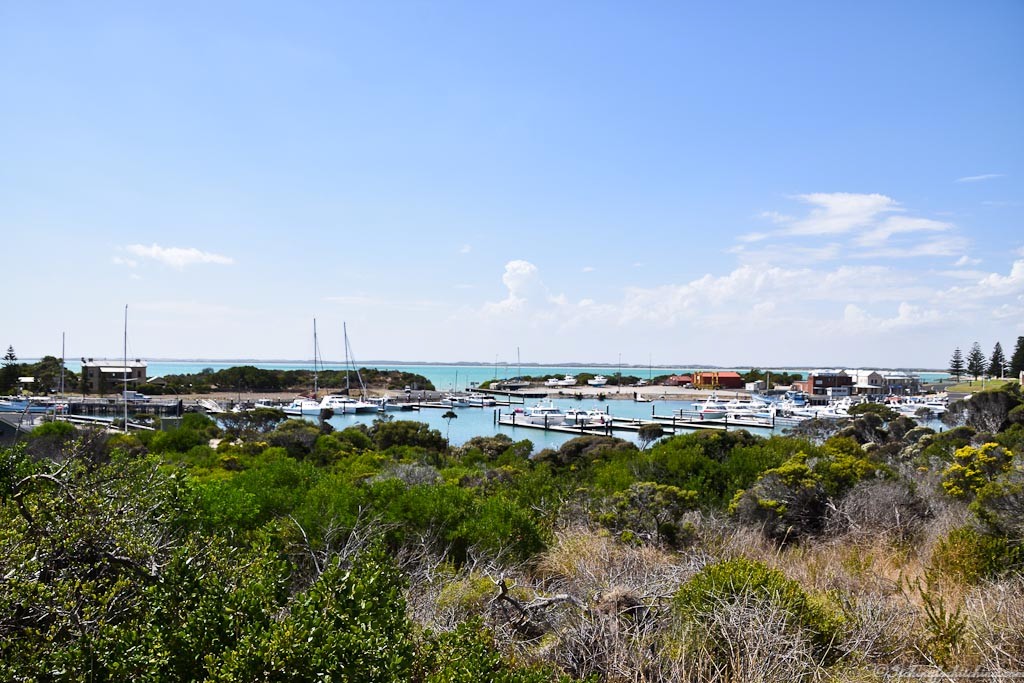
In the early days settlers in the region were producing wool and shipping it back to England from the port of Robe. Legend has it that when a laden sailing ship sunk during a storm, the soggy wool was washed in the lake. After fetching better prices than previous shipments, washing wool became a practice and the lake became known as Lake Fellmongery.
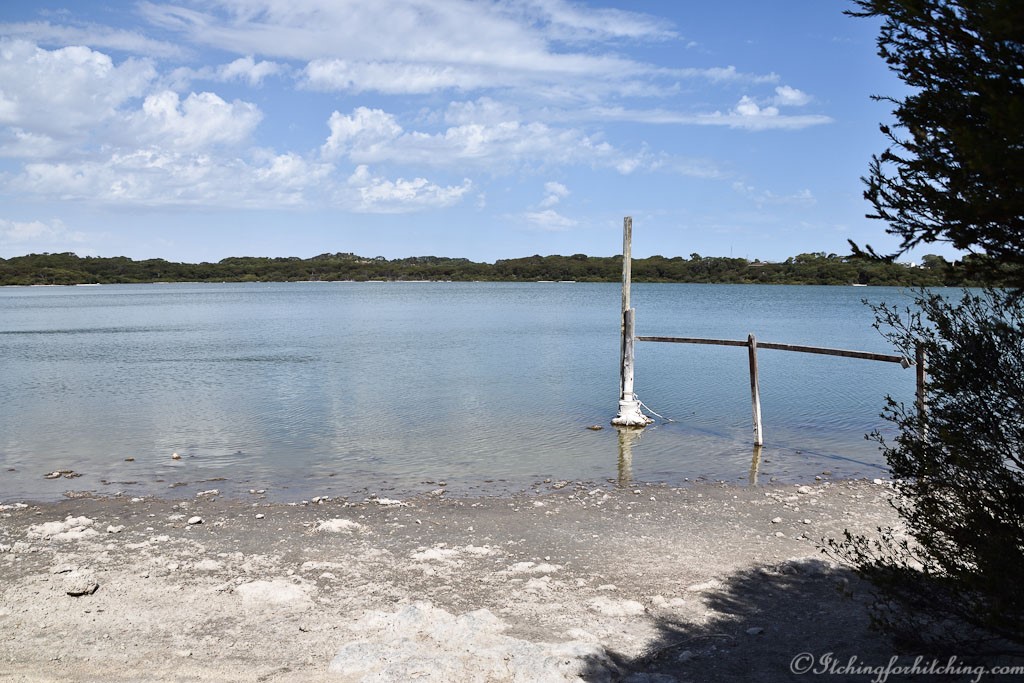
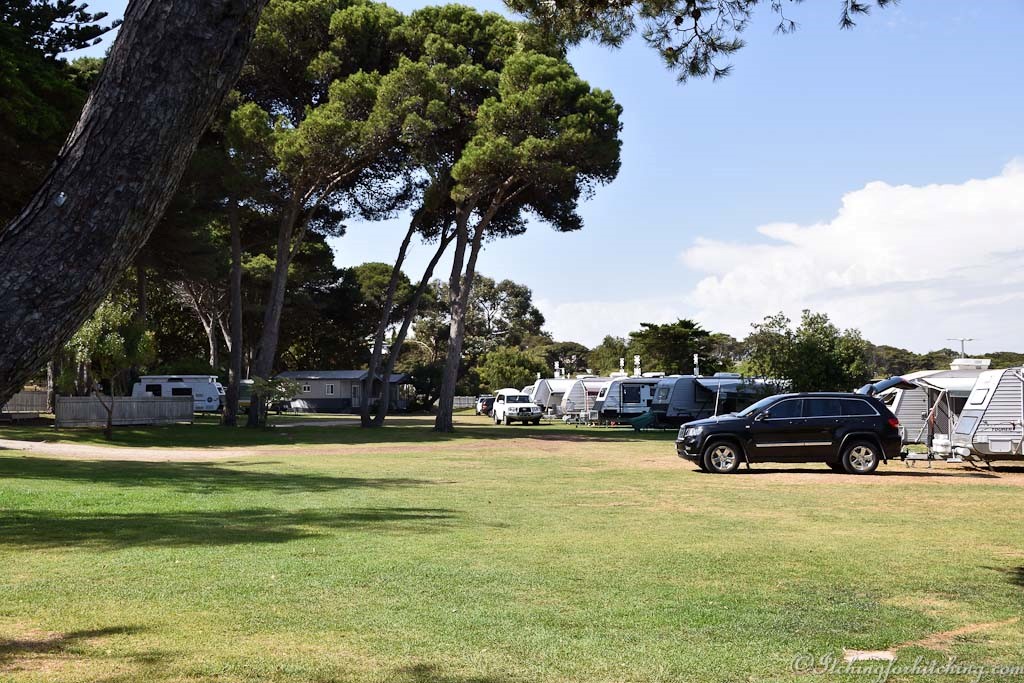
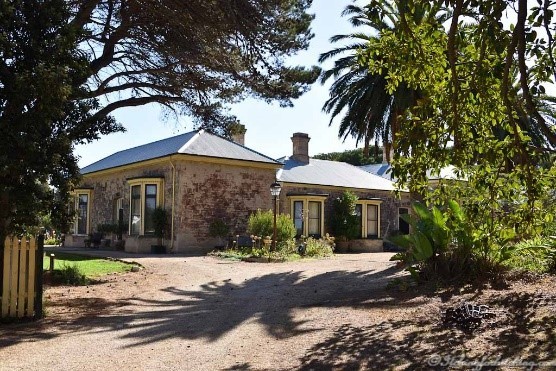
On our last visit to Robe we stayed at Lakeside Caravan Park nestled between Lake Fellmongery and Lake Charra, this peaceful little park sits behind the historic Lakeside Manor. Built around 1887 by labourer and wool washer George Danby who had the good fortune to have inherited the estate of a distant relative back in England. One could say that he was the last man standing.
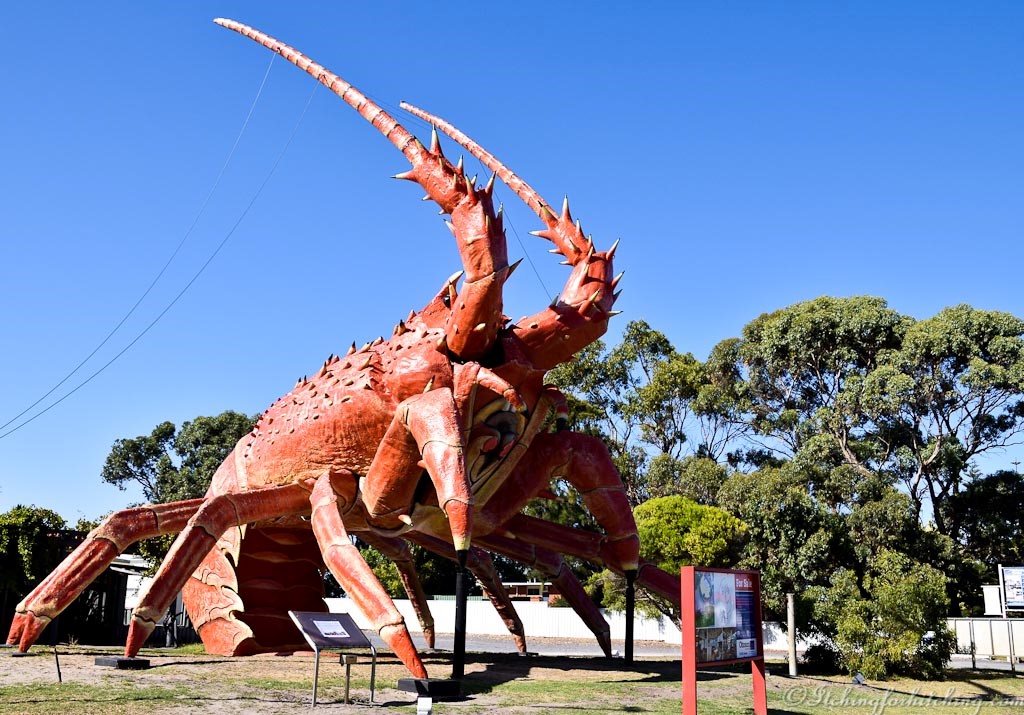
The crayfish (Southern Rock Lobster). There’s a reason why the town of Kingston S.E, just up the road, has Lobby the big lobster on display. This region is known for its large, sweet crayfish. Many years ago, we were staying at Robe’s Caledonian Inn. We wandered down to the wharf to see if there were any crays for sale. It seemed like there was nothing doing, until we noticed a woman sitting in the back of a ute, and what was she sitting on? An Esky full of crayfish.
I should probably tell you that on one visit to Robe, the town was heaving with Easter crowds. Thank goodness we are now retired and don’t have to put up with holiday crowds anymore. Back to the story, we chose a cosy restaurant for dinner, ordered our meals and waited, and waited. It wasn’t worth trying anywhere else as things were so horribly busy. We continued to wait until, 11:00pm when our meal finally arrived and not before Woody in desperation, had snatched the uneaten potatoes from a nearby vacated table!
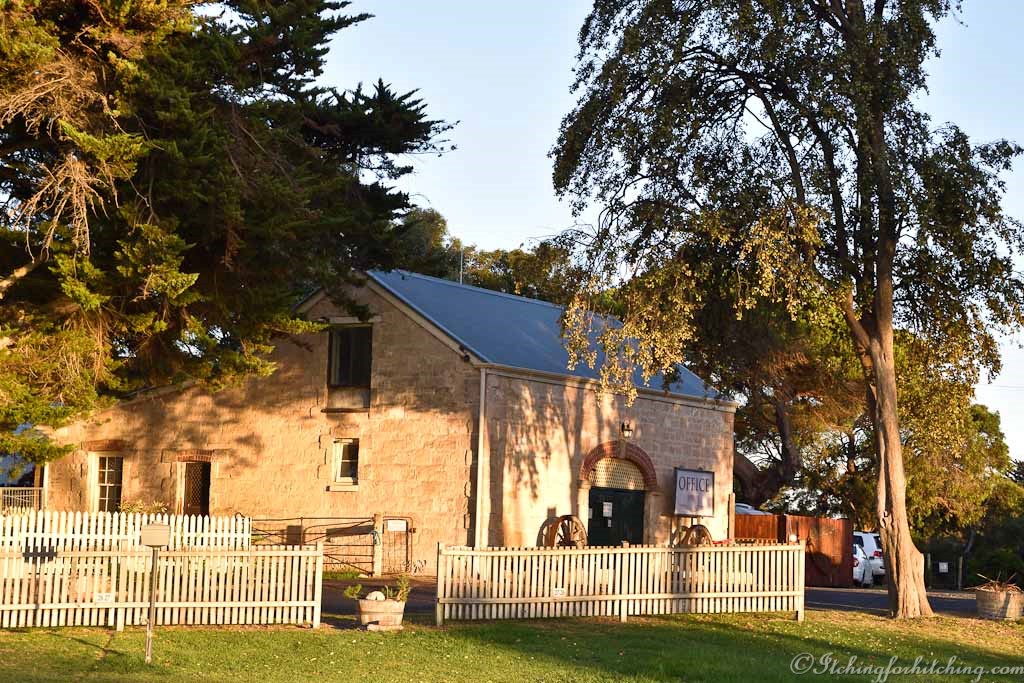
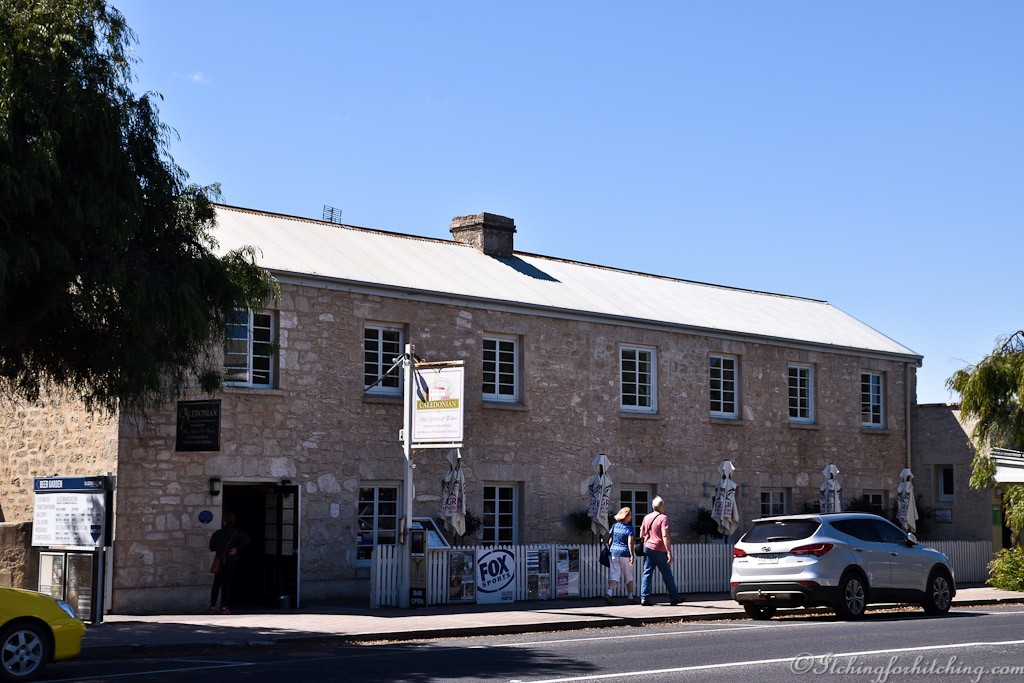
Robe is one of those lucky towns that has kept many of its limestone buildings from those heydays and along with fishing and good beaches it is no wonder that it is popular with the tourists. When I think of the Caledonian Inn, I always remember a meal of superb kangaroo and a cosy pub on a chilly evening. It is an English style pub built of limestone back in 1858. The Cally is a ripper. We also stayed there on that crayfish hunting weekend, but the weather was hot, and the beer cold thus making the memories somewhat hazy.
These days the Limestone Coast is also a designated wine growing region and producing a fine drop. A short drive north will bring you to the legendary ‘terra rossa’ soil of the Coonawarra region which also tends to make things just a little hazy.
Glossary:
Ute, utility or small tray truck
Esky, beer cooler or for the Kiwis, a Chilly Bin
References:
https://www.robe.sa.gov.au/explore/history
Wikipedia. Much to Woody’s annoyance, many plaques. And an armload of tourism brochures.


Fascinating history – partly yours
LikeLiked by 2 people
Thank you for introducing Robe. I love the photo of the Lakeside Manor; the perspective of the buildings, the light hitting one side and the fantastic palm tree shadow on the drive. An urban sketcher’s dream. 🙂
LikeLiked by 1 person
I’m drawing it at the moment, but I’m so cross that I wasn’t drawing back then otherwise I would have captured so many more limestone buildings.
LikeLike
We to love Robe. Just one of those places you can’t help to enjoy.
LikeLiked by 1 person
It most certainly is.
LikeLike
I like your Glossary section, though I’ll never be able to remember them all.
LikeLiked by 1 person
Hello Lindsay and Woody, I suspect I may have come to your blog via Derrick Knight. I enjoyed this post very much. May I be terribly cheeky and post a link to the stories I also wrote on Robe? (just before we went into Covid lockdown). I suspect you, like me, are getting a kick out of introducing overseas followers to an Australia that exists outside of Melbourne and Sydney 🙂 and perhaps we can join together to spead the word.
LikeLiked by 1 person
Hi Gwendoline, Yes that’s fine to link. I agree, it is worthwhile showing that there is more to the world than postcard views. Cheers and happy blogging!
LikeLiked by 1 person
Here they are! For use as you see fit with your audience.
Adelaide to Robe SA – Day 11 of Road Trip March 2020 | GWEN WILSON, Author, aka The Reluctant Retiree
Robe to Port MacDonnell – Day 12 of Road Trip March 2020 | GWEN WILSON, Author, aka The Reluctant Retiree
LikeLike
Thanks Gwen and cheers!
LikeLiked by 1 person
Is there much of Australia left for you to see? You certainly know how to get out and enjoy some beautiful places.
LikeLiked by 1 person
Trouble is Vivienne, it’s so damned big!
LikeLike